

Report 1 · Birds · East Africa
Can AI name an East African bird from its song?
Three AI models that identify birds from sound, tested on recordings the iNaturalist community has already named. BirdNET v3 matched the community most often, in 75% of 589 recordings; Perch v2 matched 67% and BirdNET v2.4 65%.
How we tested BirdNET and Perch
iNaturalist is a site where people post wildlife sightings and sound recordings, and other members help name the species. We took 589 bird recordings from East Africa, most of them from Kenya, Uganda and Tanzania, where the community has agreed on the bird, and played each one to three AI models that name birds from sound: BirdNET v3, Perch v2 and BirdNET v2.4. Then we counted how often a model’s first answer was the bird the community named.
We treat the community’s answer as the reference, and it is not always right. A recording can catch a second bird calling in the background, and a community can agree on the wrong name. Nobody listened to every recording again, so we say a model matched the community, not that it was right.
Executive summary
- BirdNET v3 matched the community most often: its first answer was the community’s bird in 3 of every 4 recordings (75%). Perch v2 (67%) and BirdNET v2.4 (65%) came next, too close to each other to separate.
- Birds with more recorded sound are matched more often: BirdNET v3 matched 18% of recordings of birds with under 10 sound recordings on eBird (only 11 recordings here), and 91% for birds with 300 or more.
- When all three models name the same bird, it is the community’s bird 91% of the time. When all three differ, BirdNET v3’s answer matches only 30% of the time.
- When two models agree and the third differs, the pair usually does better: it matched 32 to 5 against Perch v2 and 53 to 6 against BirdNET v2.4. The exception is BirdNET v3, which alone did as well as the pair against it (10 to 9).
- A strong score is a good sign: when a model scored its first answer 0.7 or higher, it matched 88 to 95% of the time.
- Nearly one in five recordings (19%) fooled every model, while at least one model matched in 480 of the 589 recordings.
- A photo makes no difference: for the same birds, recordings with and without an observer’s photo were matched within 3 points of each other.
- Most East African birds have little recorded sound: 1,179 of the 1,556 birds in eBird’s archive have fewer than 30 sound recordings from the region.
- No model named the Udzungwa Forest Partridge in any of its 13 recordings; eBird holds only 16 sound recordings of it.
Findings
What else the same recordings show, beyond which model came first.
Nearly one in five fooled every model
- 323
- matched by all three models
- 157
- matched by one or two
- 109
- matched by none
No model knew the Udzungwa Forest Partridge
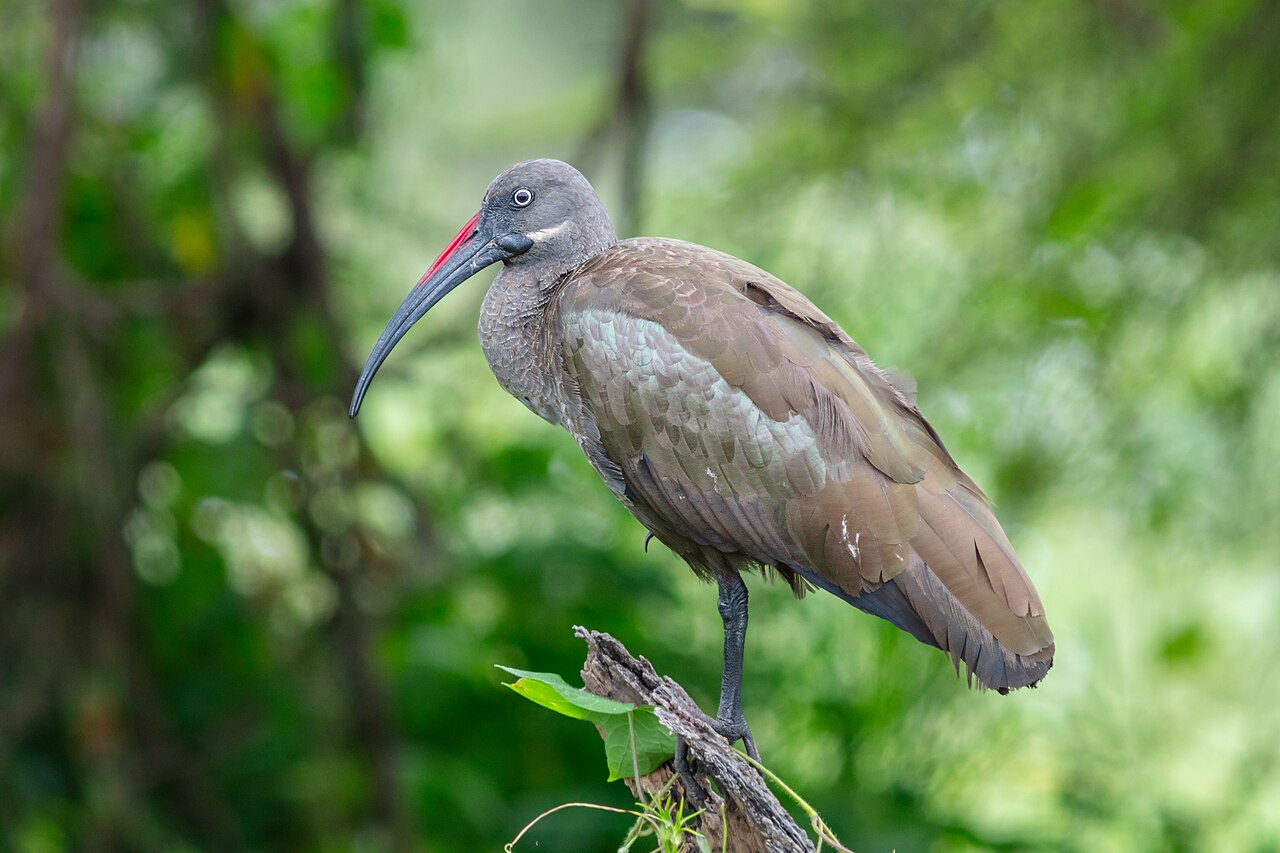 20 of 23 by all three
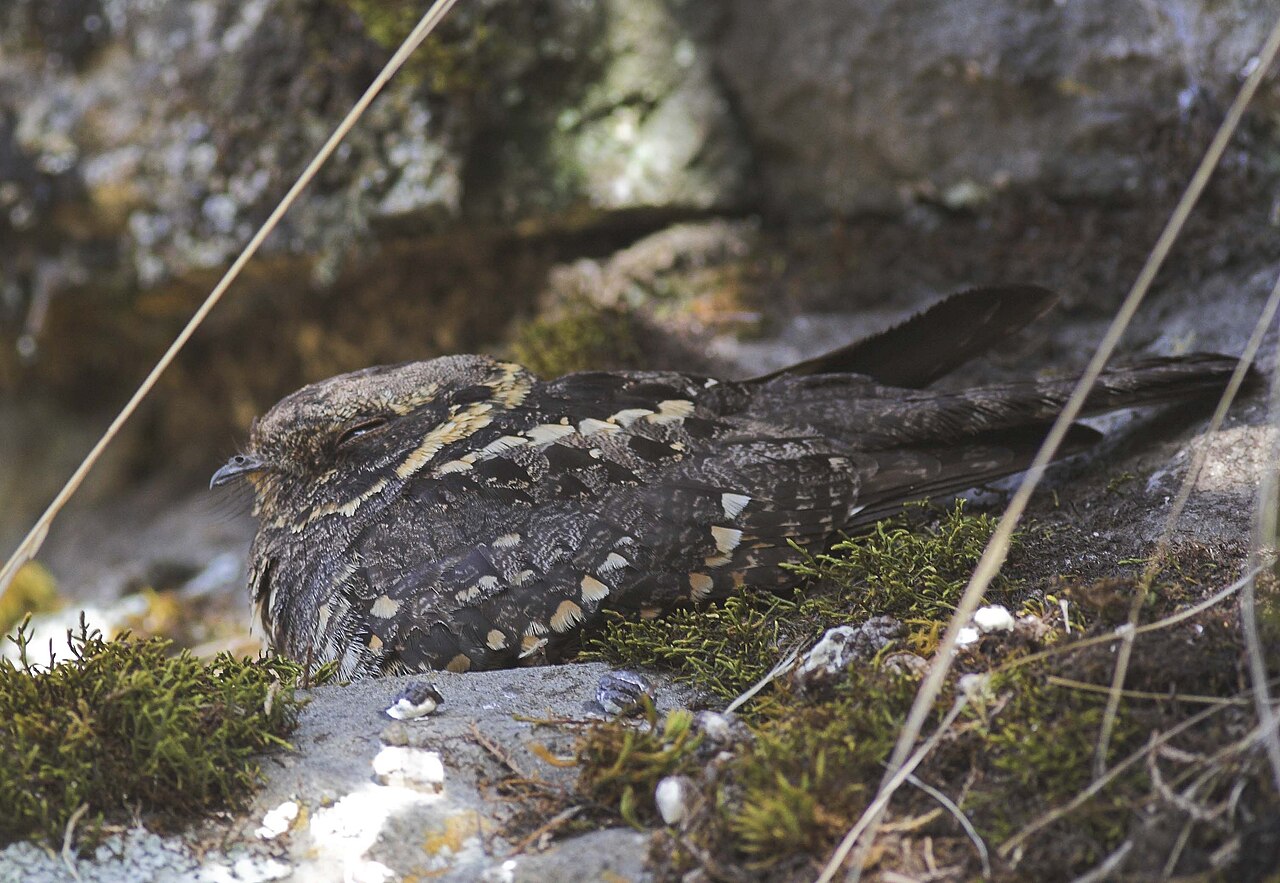 21 of 23 by all three
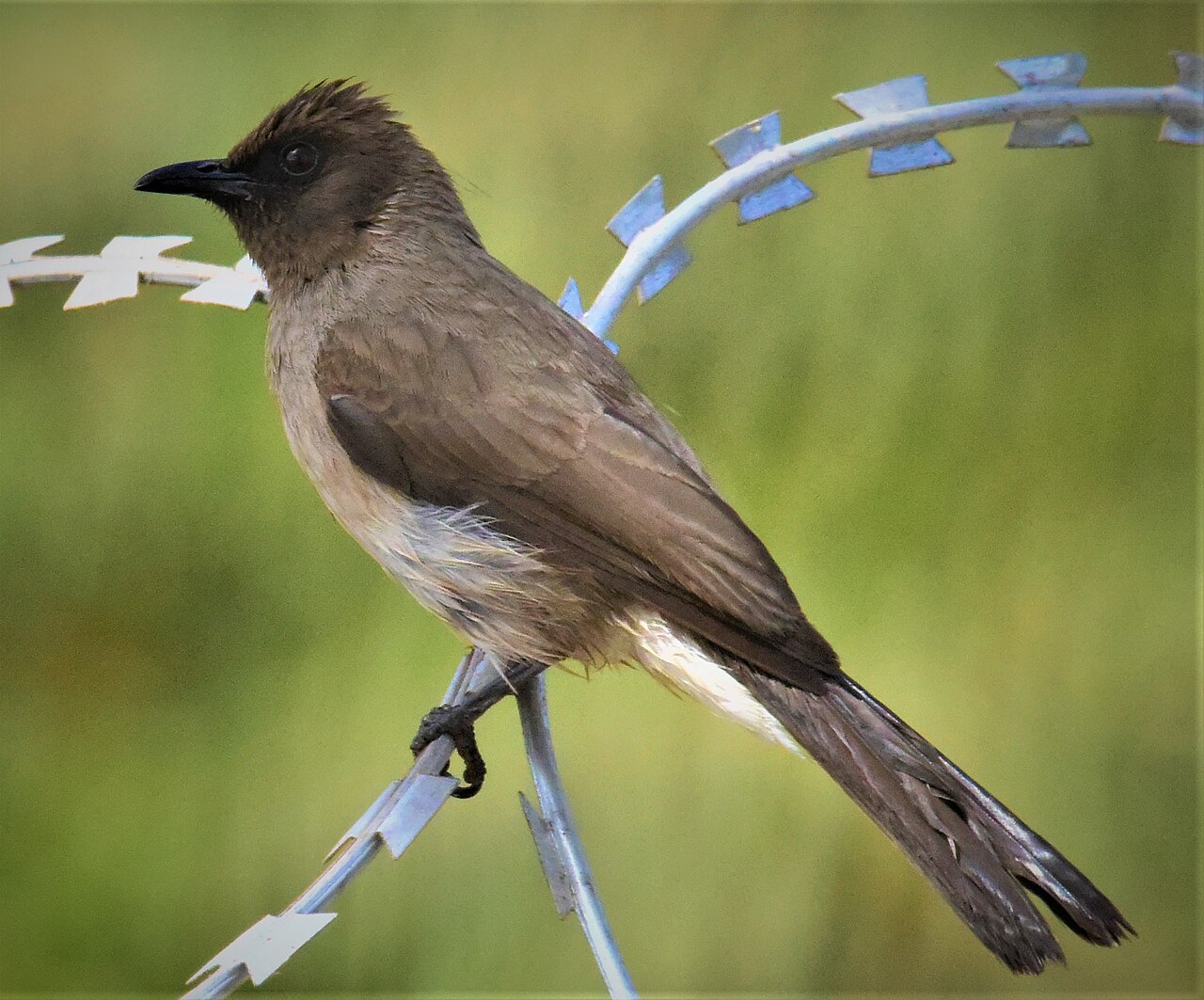 15 of 21 by all three
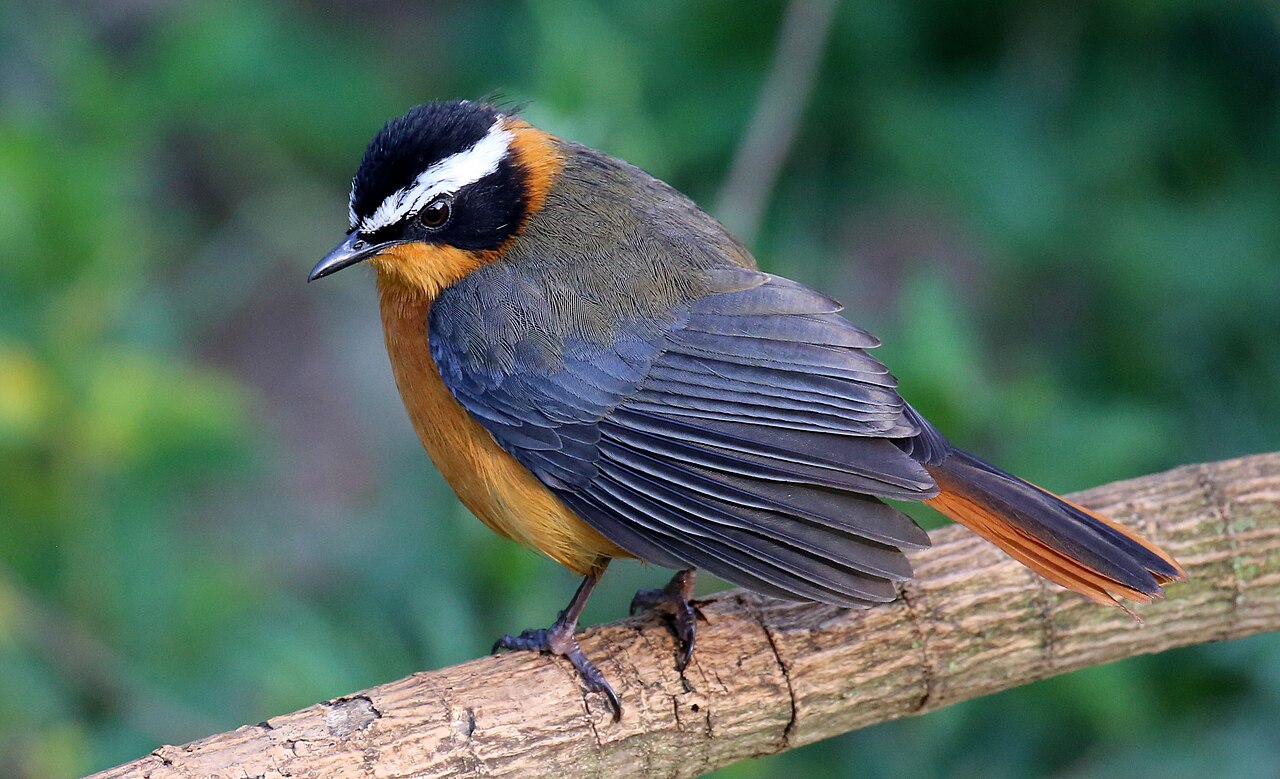 17 of 20 by all three
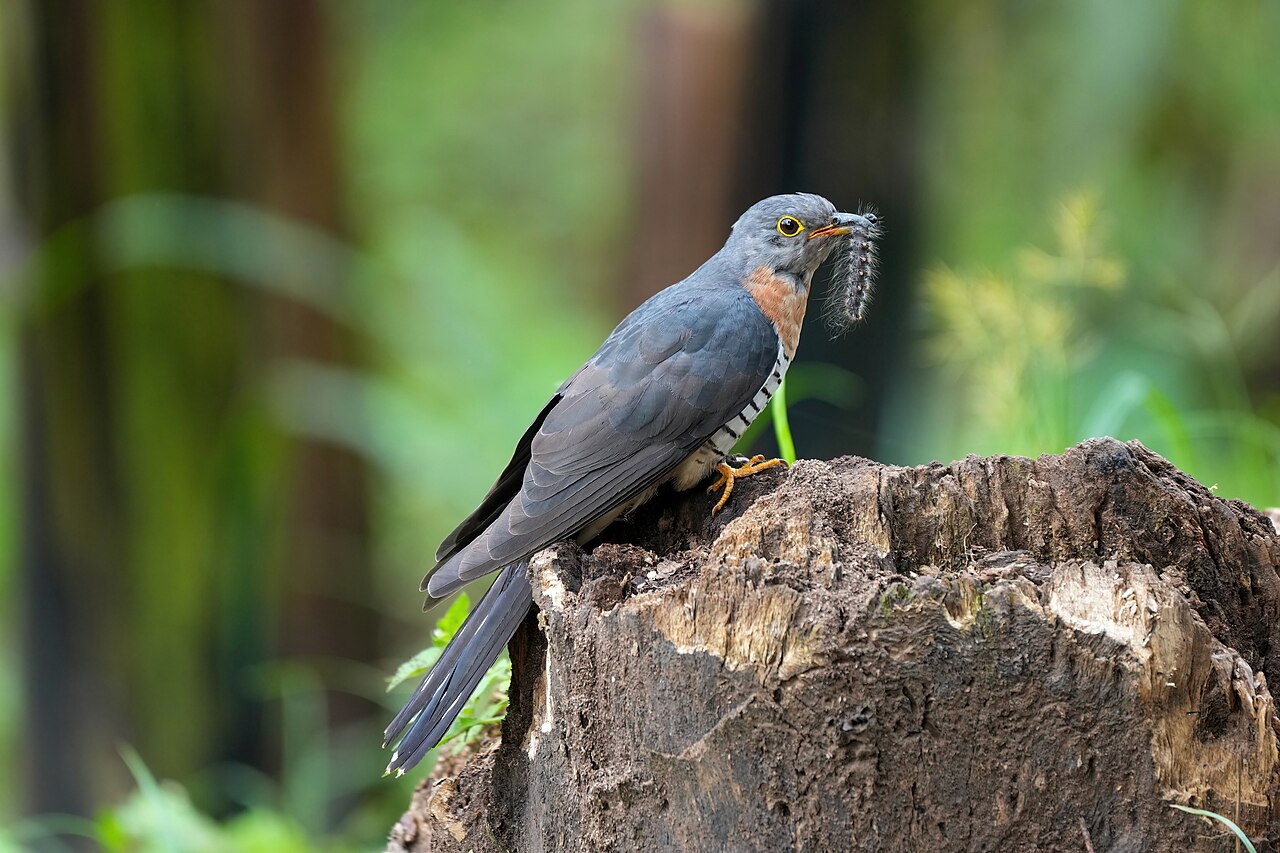 15 of 15 by all three
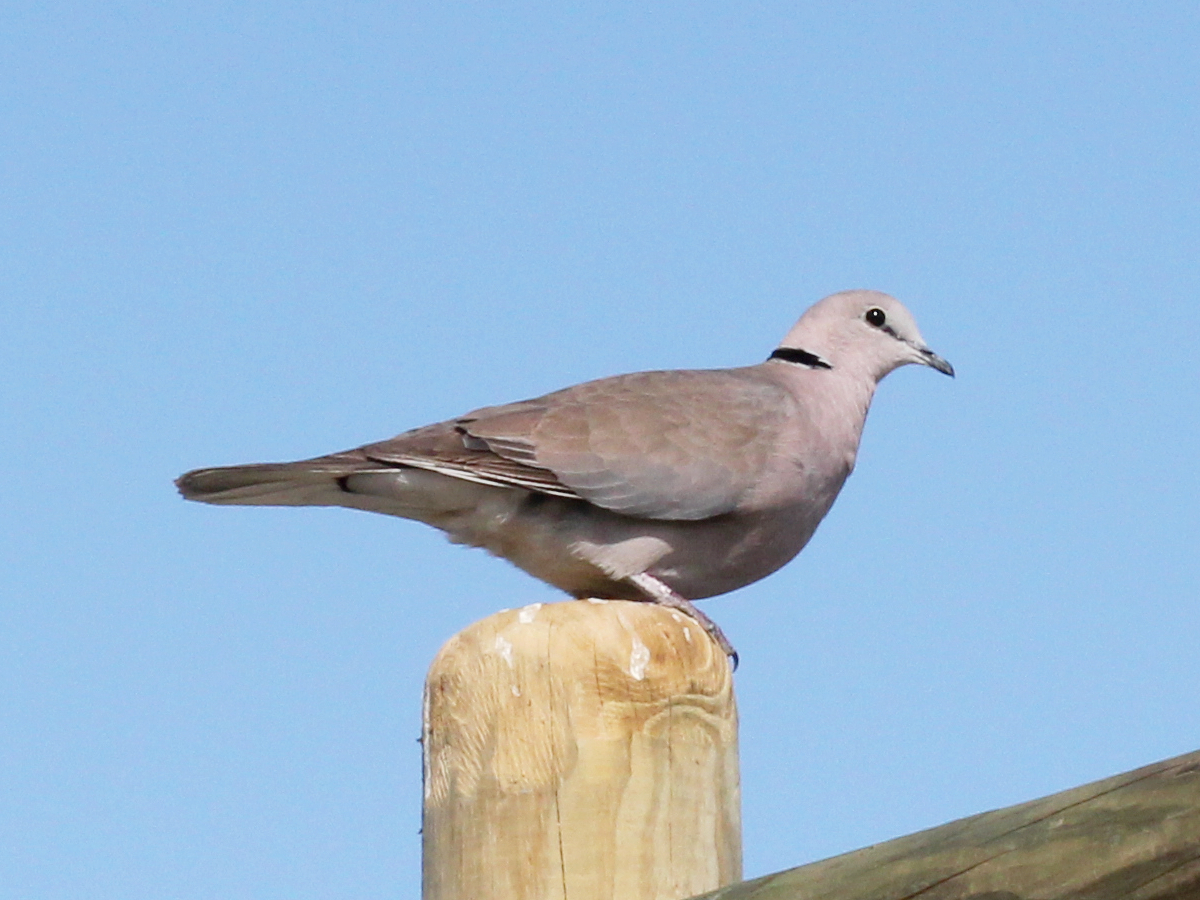 10 of 13 by all three
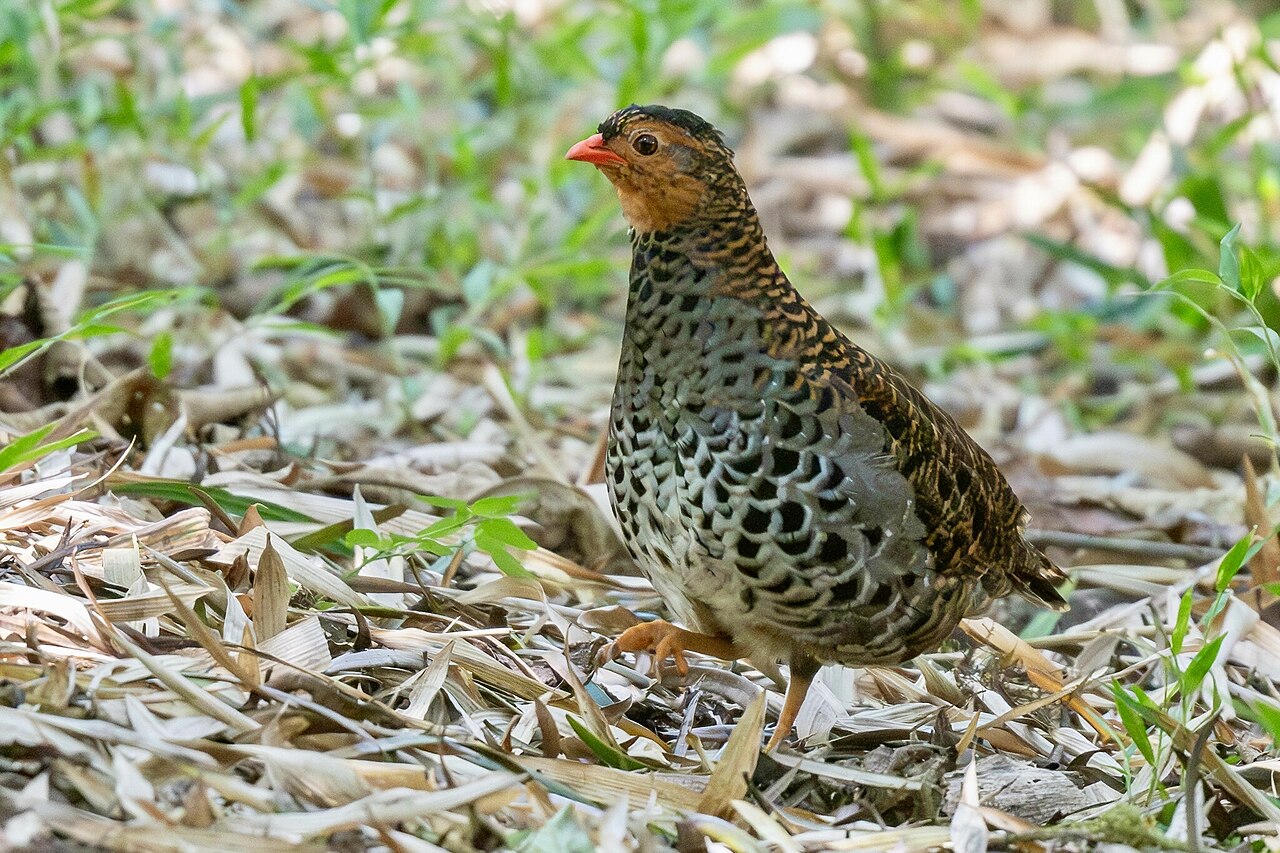 0 of 13 by all three
Photo credits
Photo: Diego Delso, CC BY-SA 4.0, via Wikimedia Commons · Photo: Allan Drewitt, CC BY 2.0, via Wikimedia Commons · Photo: Ulas koksal1, CC BY-SA 4.0, via Wikimedia Commons · Photo: flowcomm, CC BY 2.0, via Wikimedia Commons · Photo: Giles Laurent, CC BY-SA 4.0, via Wikimedia Commons · Photo: JonRichfield, CC BY-SA 3.0, via Wikimedia Commons · Photo: Heinrich Human, CC0 1.0, via Wikimedia CommonsThe less sound exists for a bird, the more the models miss it
Just over three in four East African birds have little recorded sound
When all three agree, trust the answer
356 recordings
153 recordings
80 recordings
A photo makes no difference
The numbers behind the charts
- First answer matched
- BirdNET v3: 75.0%(442)Perch v2: 66.9%(394)BirdNET v2.4: 65.2%(384)
- Matched within three guesses
- BirdNET v3: 84.2%(496)Perch v2: 76.9%(453)BirdNET v2.4: 72.7%(428)
- Gave no answer · counted as a miss above
- BirdNET v3: 3(0.5%)Perch v2: 6(1.0%)BirdNET v2.4: 13(2.2%)
- First answer matched · of the recordings it answered
- BirdNET v3: 75.4%of 586Perch v2: 67.6%of 583BirdNET v2.4: 66.7%of 576
- Once · 120 recordings (120 birds)
- BirdNET v3: 55.8%Perch v2: 44.2%BirdNET v2.4: 42.5%
- 2 to 4 times · 221 recordings (87 birds)
- BirdNET v3: 72.9%Perch v2: 64.7%BirdNET v2.4: 61.1%
- 5 times or more · 248 recordings (26 birds)
- BirdNET v3: 86.3%Perch v2: 79.8%BirdNET v2.4: 79.8%
- Under 10 on eBird · 11 recordings (9 birds)
- BirdNET v3: 18.2%Perch v2: 18.2%BirdNET v2.4: 27.3%
- 10 to 29 on eBird · 83 recordings (52 birds)
- BirdNET v3: 51.8%Perch v2: 34.9%BirdNET v2.4: 30.1%
- 30 to 99 on eBird · 207 recordings (108 birds)
- BirdNET v3: 72.5%Perch v2: 63.3%BirdNET v2.4: 64.3%
- 100 to 299 on eBird · 223 recordings (55 birds)
- BirdNET v3: 84.3%Perch v2: 78.9%BirdNET v2.4: 76.7%
- 300 or more on eBird · 64 recordings (8 birds)
- BirdNET v3: 90.6%Perch v2: 85.9%BirdNET v2.4: 79.7%
- Weak score · below 0.50
- BirdNET v3: 43.4%of 173Perch v2: 54.4%of 377BirdNET v2.4: 36.6%of 216
- Moderate score · 0.50–0.69
- BirdNET v3: 78.2%of 78Perch v2: 85.9%of 71BirdNET v2.4: 68.4%of 57
- Strong score · 0.70 and above
- BirdNET v3: 91.3%of 335Perch v2: 94.8%of 135BirdNET v2.4: 87.8%of 303
- Same birds, with a photo · 92 recordings
- BirdNET v3: 83.7%Perch v2: 76.1%BirdNET v2.4: 73.9%
- Same birds, sound only · 167 recordings
- BirdNET v3: 83.2%Perch v2: 79.0%BirdNET v2.4: 73.1%
- All recordings with a photo · 219 recordings
- BirdNET v3: 71.7%Perch v2: 61.2%BirdNET v2.4: 59.8%
- All sound-only recordings · 370 recordings
- BirdNET v3: 77.0%Perch v2: 70.3%BirdNET v2.4: 68.4%
Agreement between models: all 3 agree on 356 recordings, matched 90.7%; 2 agree on 153 recordings, matched 61.4%; all differ on 80 recordings, matched 30.0%.
No answer: at least one model gave no answer on 21 of the 589 recordings, two or more on 1, and never all three. No answer means no detection was stored for the recording, so we cannot tell a model that heard no bird from a run that did not finish.
Head to head: BirdNET v3 matched 66 recordings that Perch v2 missed, against 18 the other way; Perch v2 and BirdNET v2.4 split 62 to 52.
How we counted
We searched iNaturalist for bird recordings from South Sudan, Djibouti, Eritrea, Somalia, Tanzania, Rwanda, Burundi, Kenya, Uganda and Ethiopia, and gathered 1,281. This report uses the 589 that iNaturalist marks Research Grade, meaning the community has agreed on the species. The rest are still waiting for that agreement and are left out.
Where the 589 come from: Kenya 263, Uganda 121, Tanzania 116, Rwanda 36, Ethiopia 17, Somalia 3, South Sudan 1, Burundi 1. 31 have no country on the record.
A model’s first answer is the bird it is most sure of anywhere in the recording. It counts as a match when that is the species the community named. A model that gave no answer counts as a miss, and a recording named down to a subspecies is matched by its species.
The sound and photograph counts come from eBird’s Macaulay Library, which we copy every week for the same countries. They are as of 27 September 2026, cover East Africa only, and count a bird’s named sub-groups with the bird. Recordings in that archive that are not of a bird species, such as chimpanzees and frogs, are left out.
A model may have heard some of these recordings before. Perch v2 was trained partly on Research Grade sound from iNaturalist, downloaded in March 2025, and 422 of the 589 recordings were made before then. We did not check which ones it was trained on, or what BirdNET was trained on, so a match here can be a recording the model already knew.
The recordings are the ones that fit our rules, not a random sample, and a few keen recordists supplied many of them. So these results describe this collection. They cannot crown a winner for every place and every bird.
Explore the recordings
Every recording in the report. Each card shows the community’s bird, what each model guessed, and a picture: the observer’s own photo when they shared one, otherwise a reference picture of the species. Open one to listen.
How to read a card
The lights: who names which bird
The square is the bird iNaturalist names. Each dot is one model, always in this order: BirdNET v3, Perch v2, BirdNET v2.4. Here the first two name iNaturalist’s bird and the third names a bird of its own.
- Same birdThe model names the bird iNaturalist names.
- Another bird, sharedTwo or three models name the same bird, but not iNaturalist’s. The bracket joins them.
- On its ownThe model names a bird no other model names.
- No answerThe model kept no answer for this recording.
The bar across the top of a card
- All agree iNaturalist and all three models name the same bird
- 1 or 2 of 3 agree One or two models name the same bird as iNaturalist
- Disagree No model names the same bird as iNaturalist
How sure each model is
- Strongscore 0.70 and above
- Moderatescore 0.50–0.69
- Weakscore below 0.50
Narrow the list. A recording is shown only if it fits every answer you choose. The number on each answer is how many recordings you would see if you chose it, so the numbers change as you answer.
Do the models agree with iNaturalist?
How many models named the bird iNaturalist names.
Do the models agree with each other?
How many models named the same bird, whether or not it is iNaturalist’s.
How much sound exists for this bird?
Sound recordings of the bird from East Africa in eBird’s archive.
Is there a photo?
Whether the observer added their own photo of the bird.
1–12 of 589 observations
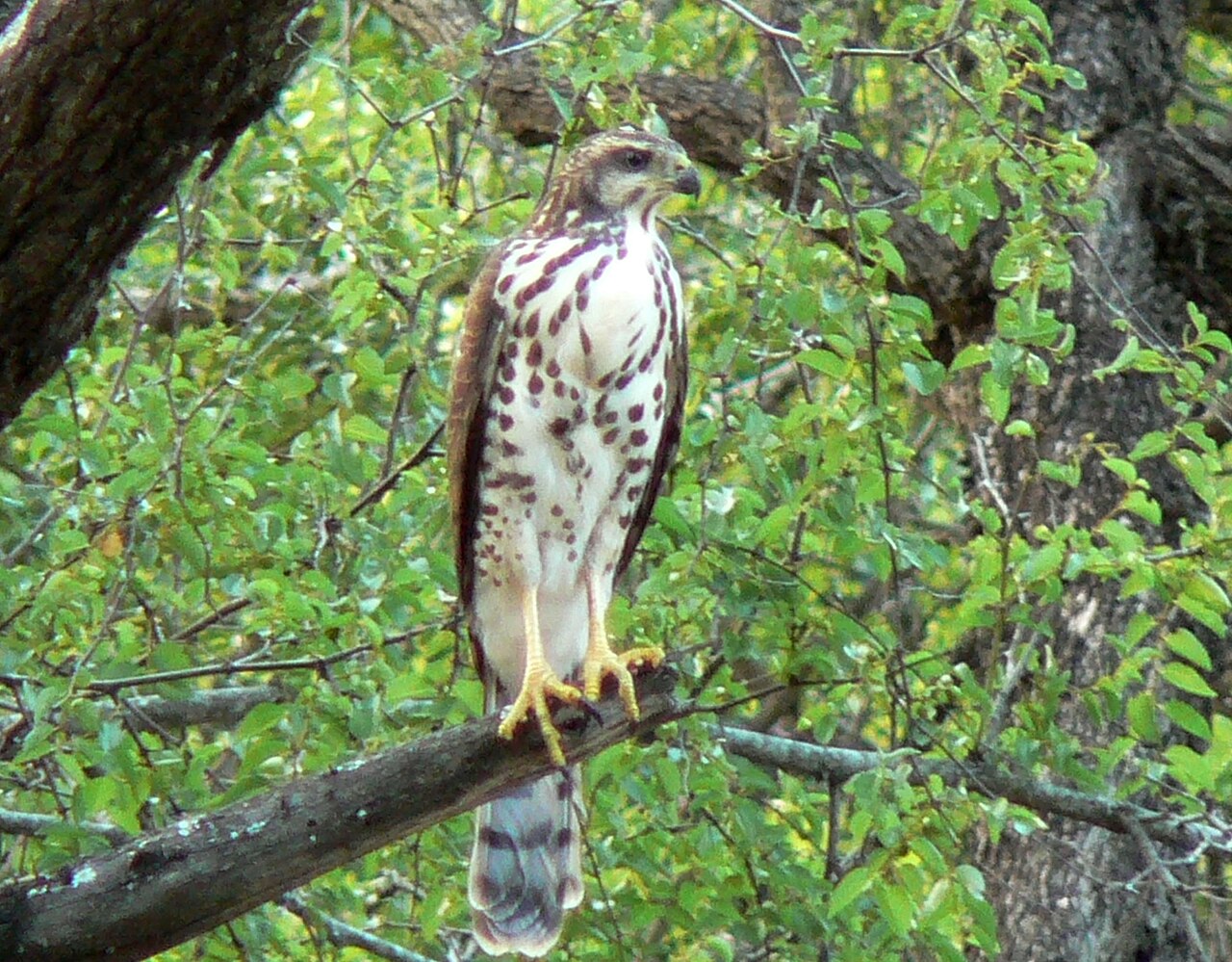
Photo: Chris Eason from London, CC BY 2.0, via Wikimedia Commons
iNaturalist says
African Goshawk
Aerospiza tachiro
🇹🇿 Tanzania · 2015-04-17
78 sound recordings on eBird
The models say
iNaturalist and all 3 models name the same bird.
(c) congonaturalist, some rights reserved (CC BY-NC)
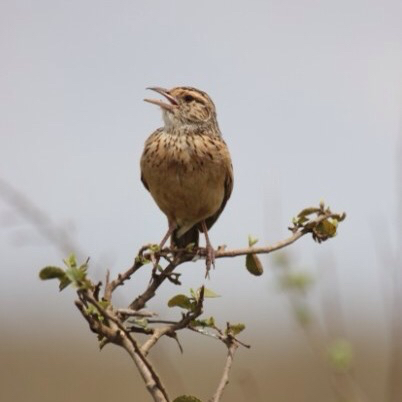
iNaturalist says
Sentinel Lark
Corypha athi
🇰🇪 Kenya · 2015-11-07
87 sound recordings on eBird
The models say
No model names iNaturalist’s bird; two of them name the same other bird.
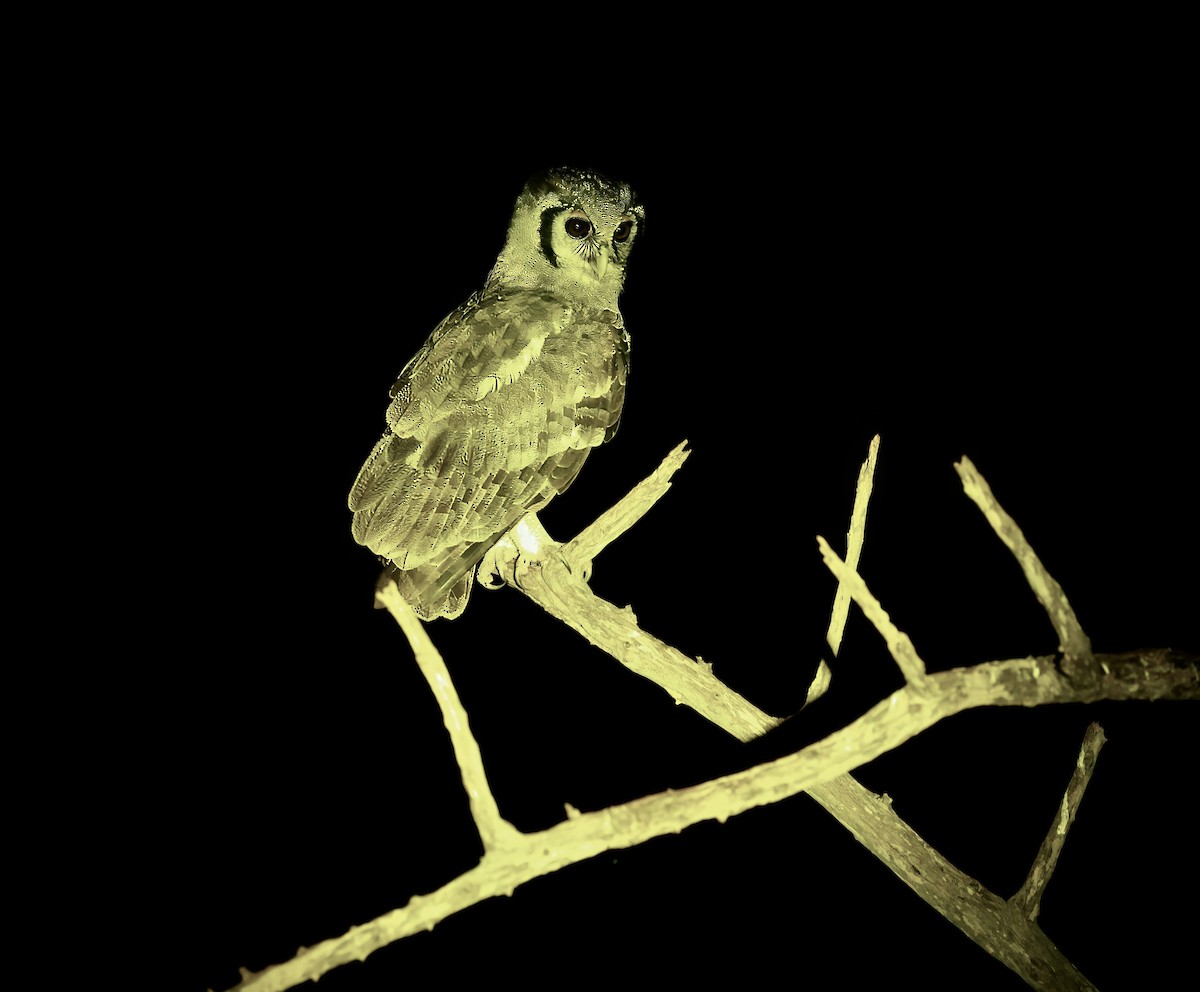
Photo: Jan Hansen, CC BY 4.0, via Cornell Lab of Ornithology | Macaulay Library
iNaturalist says
Verreaux's Eagle-Owl
Ketupa lactea
🇹🇿 Tanzania · 2015-06-08
52 sound recordings on eBird
The models say
2 of 3 models name the same bird as iNaturalist.
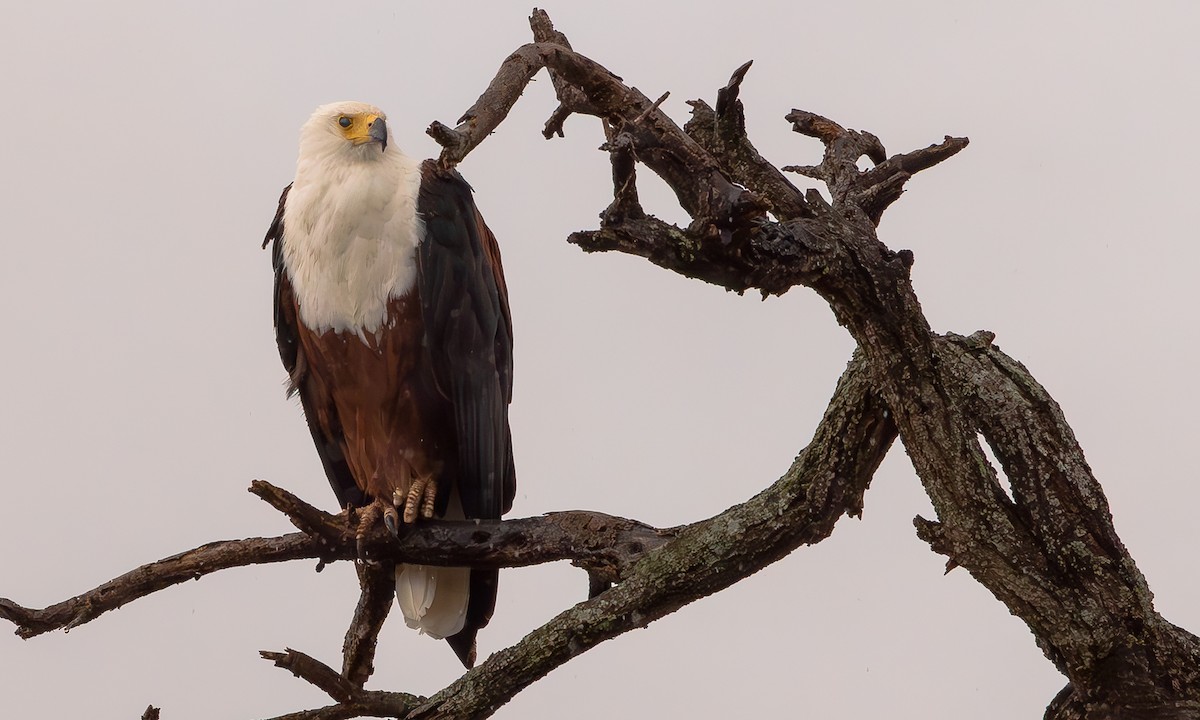
Photo: Steve Kelling, CC BY-SA 4.0, via Cornell Lab of Ornithology | Macaulay Library
iNaturalist says
African Fish Eagle
Icthyophaga vocifer
Ruaha National park · 2015-08-26
67 sound recordings on eBird
The models say
2 of 3 models name the same bird as iNaturalist.
(c) tadrisa, some rights reserved (CC BY-NC)
iNaturalist says
House Sparrow
Passer domesticus
🇹🇿 Tanzania · 2016-03-24
37 sound recordings on eBird
The models say
iNaturalist and all 3 models name the same bird.
Photo: flowcomm, CC BY 2.0, via Wikimedia Commons
iNaturalist says
White-browed Robin-Chat
Cossypha heuglini
🇷🇼 Rwanda · 2016-08-10
636 sound recordings on eBird
The models say
2 of 3 models name the same bird as iNaturalist.
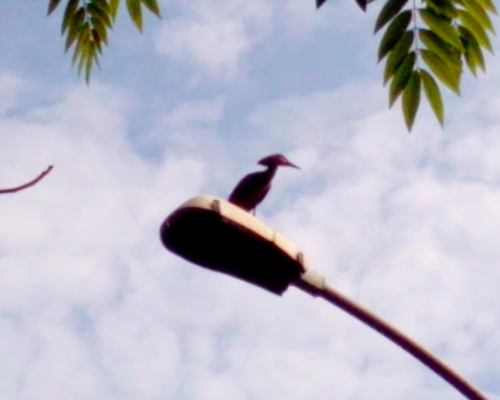
(c) Livia Labate, some rights reserved (CC BY-NC)
iNaturalist says
Hamerkop
Scopus umbretta
🇷🇼 Rwanda · 2016-10-05
89 sound recordings on eBird
The models say
iNaturalist and all 3 models name the same bird.
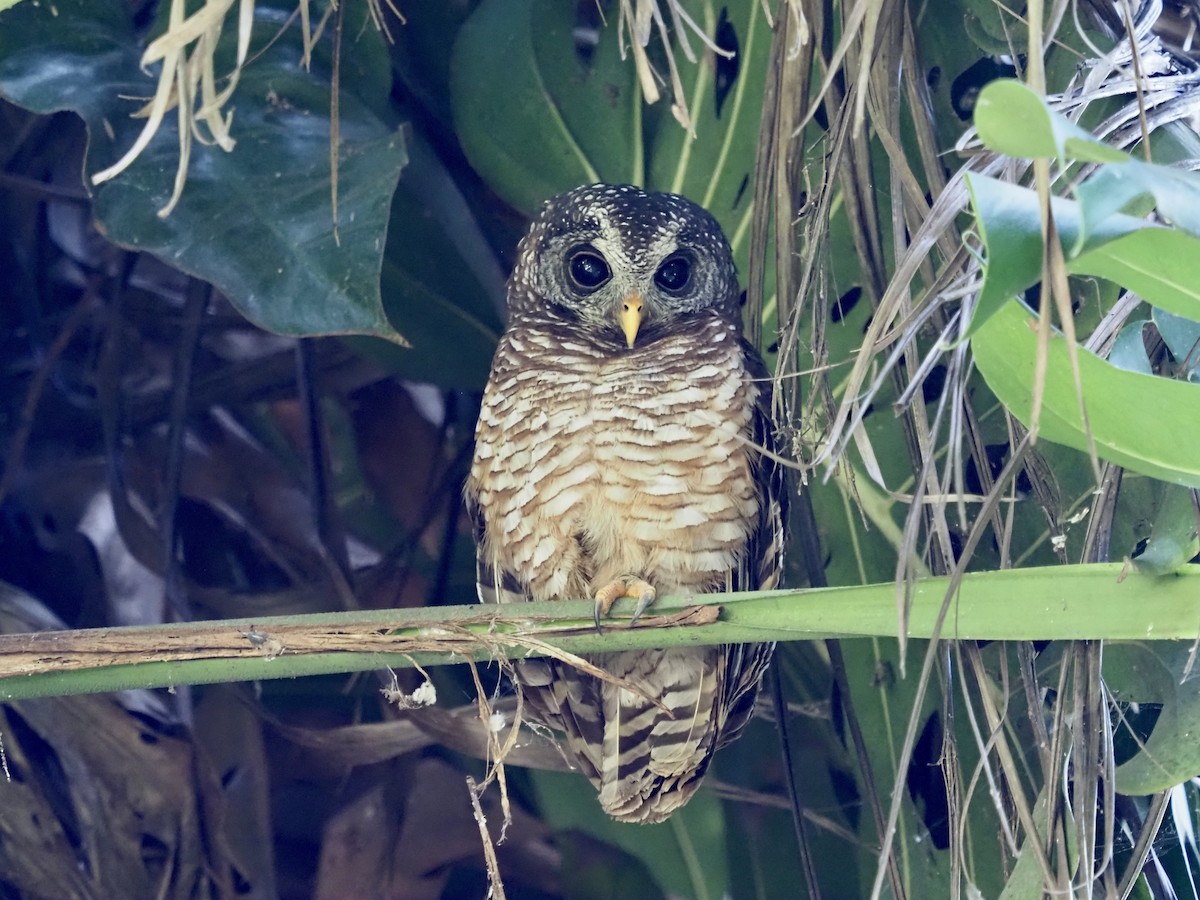
Photo: Jan Hansen, CC BY 4.0, via Cornell Lab of Ornithology | Macaulay Library
iNaturalist says
African Wood Owl
Strix woodfordii
🇹🇿 Tanzania · 2016-10-18
136 sound recordings on eBird
The models say
iNaturalist and all 3 models name the same bird.
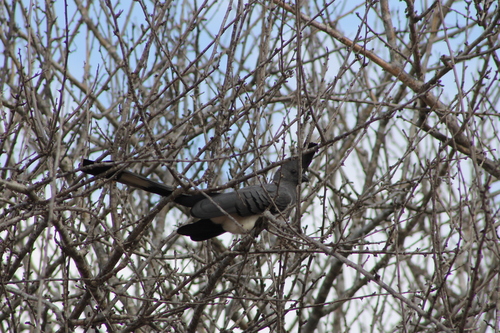
(c) Ryan Donnelly, some rights reserved (CC BY)
iNaturalist says
White-bellied Go-away-bird
Crinifer leucogaster
🇰🇪 Kenya · 2017-07-08
104 sound recordings on eBird
The models say
2 of 3 models name the same bird as iNaturalist.
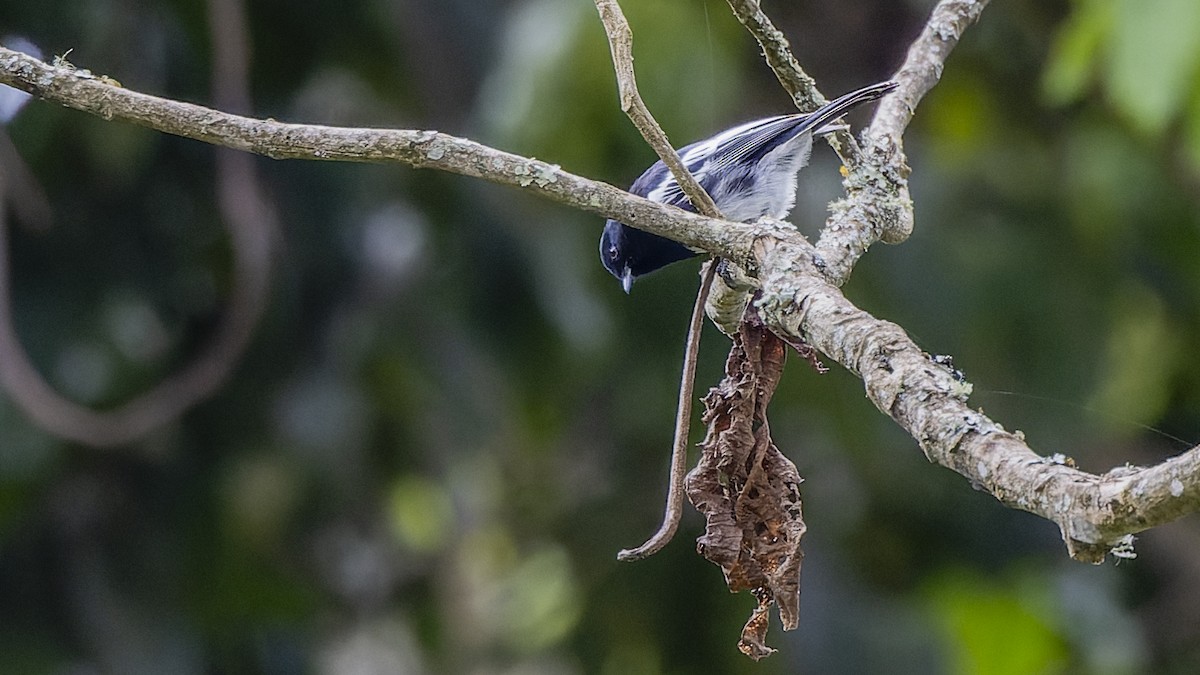
Photo: Gary Leavens, CC BY-SA 4.0, via Cornell Lab of Ornithology | Macaulay Library
iNaturalist says
White-bellied Tit
Melaniparus albiventris
🇹🇿 Tanzania · 2017-03-14
42 sound recordings on eBird
The models say
No model names iNaturalist’s bird; two of them name the same other bird.
Photo: Giles Laurent, CC BY-SA 4.0, via Wikimedia Commons
iNaturalist says
Red-chested Cuckoo
Cuculus solitarius
Kibale NP · 2018-02-26
221 sound recordings on eBird
The models say
iNaturalist and all 3 models name the same bird.
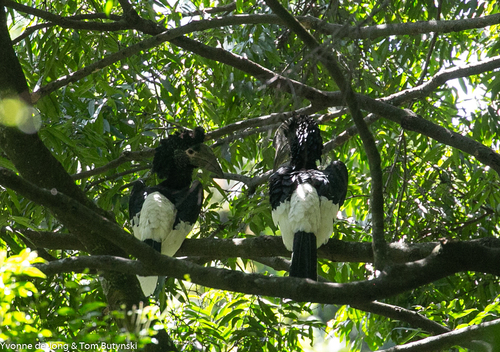
(c) Yvonne A. de Jong, some rights reserved (CC BY-NC)
iNaturalist says
Black-and-white-casqued Hornbill
Bycanistes subcylindricus
🇺🇬 Uganda · 2019-03-12
134 sound recordings on eBird
The models say
iNaturalist and all 3 models name the same bird.
iNaturalist metadata checked 2026-10-02 13:27 UTC. Research Grade is community-reviewed evidence, not independently checked ground truth. Model results are stored outputs; no model was rerun for this page. Provider API.