

Report 2 · All life · East Africa
Where are East Africa's holotypes?
27,464 East African species and subspecies have a holotype record on GBIF. Nearly 9 in 10 are held only in Europe and 89 are held in Africa.
Abstract
A holotype is the single physical example of an organism that was used when its species was formally described. We counted the holotypes of species collected in nine East African countries (Burundi, DR Congo, Ethiopia, Kenya, Rwanda, Somalia, South Sudan, Tanzania and Uganda) that are recorded on GBIF, the Global Biodiversity Information Facility, as of 14 October 2026.
27,464 species and subspecies have a holotype record. Nearly half are insects. Nearly 9 in 10 are held only in Europe, and only 89 are held in Africa, almost all of them in South Africa. Only 172 are kept in East Africa itself, and that number is rising. Regional regulations and the Nagoya Protocol are probable reasons. Whether East African museums and institutions are ready to hold more of them is an open question.
Naming a species takes time. A typical specimen waited 10 years between collection and naming, and some waited a century or more.
These counts cover only what is on GBIF. Many East African collections are not yet online, so some holotypes held in the region are missing from them.
What is a holotype?
A holotype is the single physical example (or illustration) of an organism that was used when its species was formally described. It may be the only such example, or it may have been chosen as the holotype from among several.
Other specimens can stand beside it. GBIF holds these records for the same nine countries:
| Type | What it is | Records |
|---|---|---|
| Paratype | Another specimen listed in the original description. | 45,917 |
| Syntype | One of several specimens named together when no single one was chosen. | 18,403 |
| Lectotype | A syntype picked later to be the reference. | 2,481 |
| Neotype | A new reference chosen when the original is lost or destroyed. | 332 |
| Isotype | A duplicate of a plant holotype, collected at the same time from the same plant. | 18,074 |
Where the holotypes are kept
Nearly 9 in 10 are held only in Europe. Only 89 are held in Africa.
- Europe only22,685
- North America only2,840
- Both Europe and North America142
- Africa89
- Elsewhere18
Africa: South Africa’s institutes (87) and the University of Hargeisa in Somaliland (2). Elsewhere: Australia (8), Japan (7), New Zealand (2), Brazil (1).
27,464 species and subspecies from nine countries
Each species or subspecies is counted once. A few come from more than one country, so the countries add up to more.
Species and subspecies by country (9)
- DR Congo9,350
- Tanzania6,033
- Kenya4,758
- Uganda2,656
- Ethiopia2,412
- Somalia1,082
- Rwanda809
- Burundi372
- South Sudan240
Nearly half are insects
- 13,271
- Insects
- 5,418
- Plants
- 2,141
- Spiders and relatives
- 6,634
- All other groups
The originals
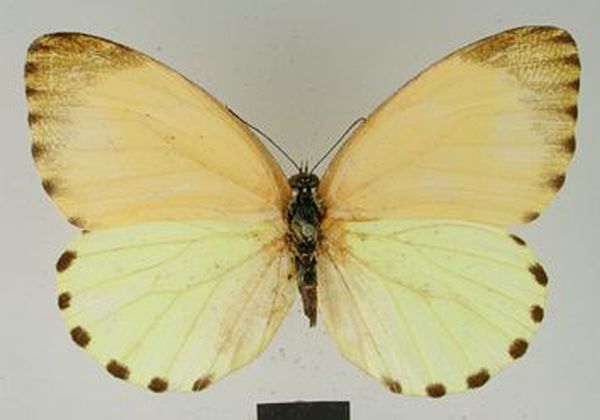
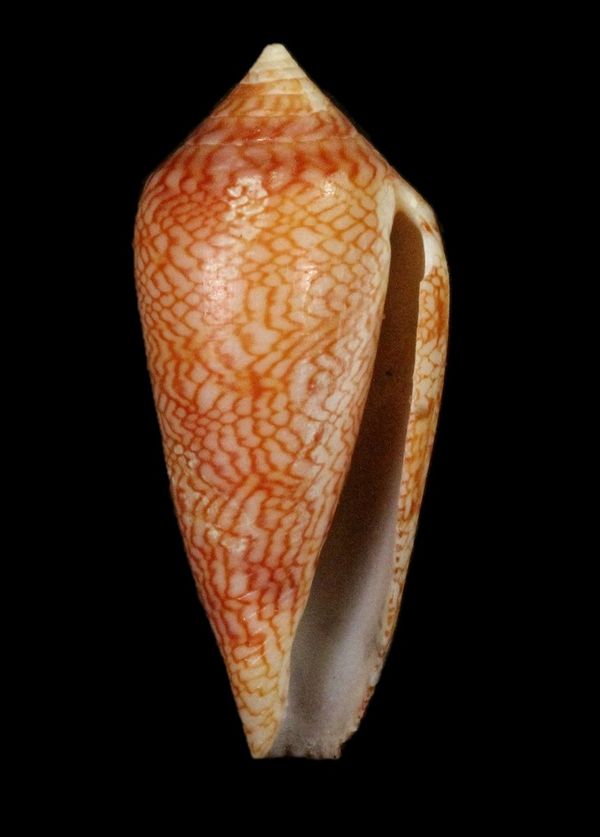
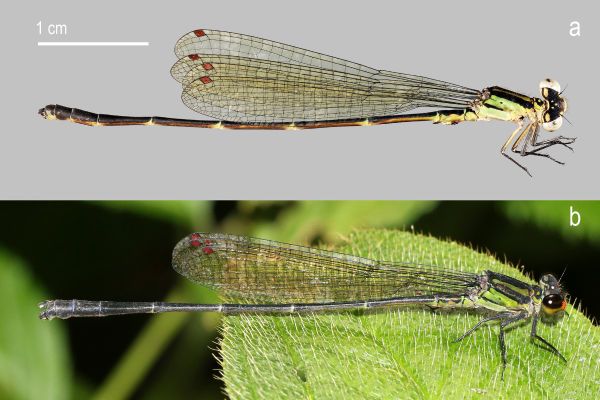
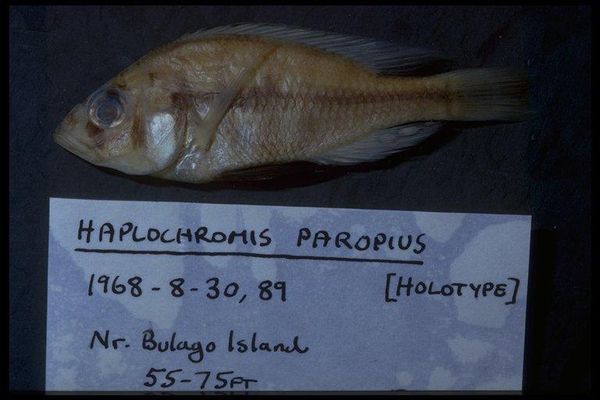
7,829 of the species and subspecies have a photo of their holotype on GBIF. These are a few, chosen to show the range.
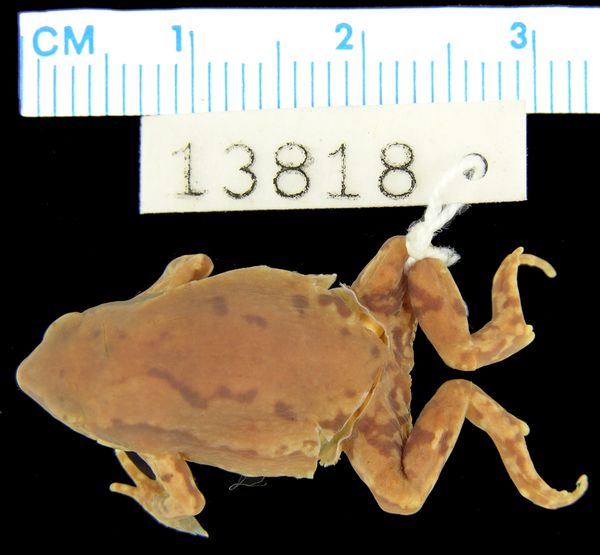
Parhoplophryne usambaricus
Frog · Tanzania
© President and Fellows of Harvard College · CC BY-NC-SA · GBIF
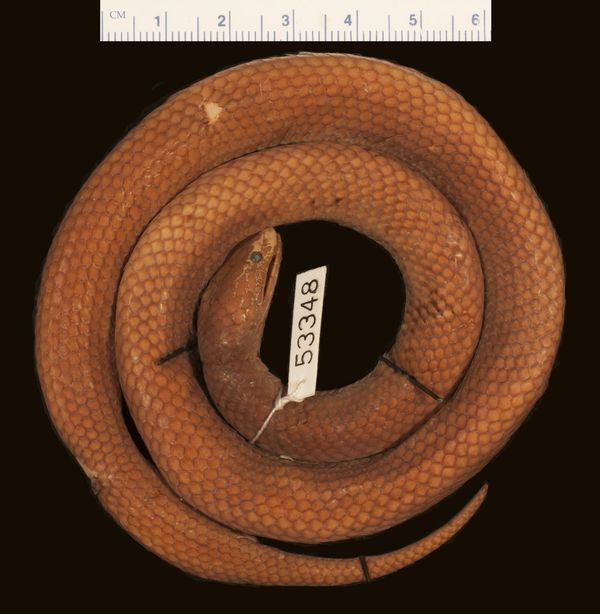
Lycophidion depressirostre
Wolf snake · South Sudan
© President and Fellows of Harvard College · CC BY-NC-SA · GBIF
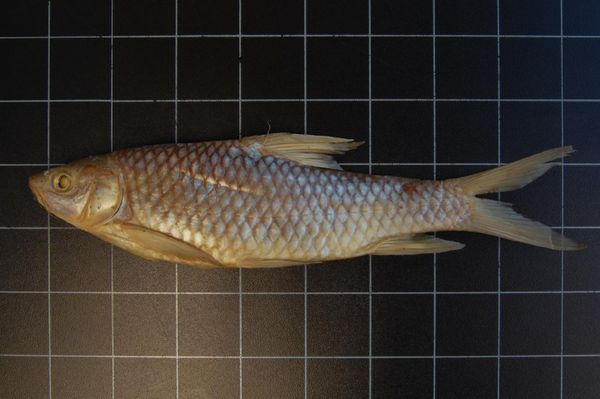
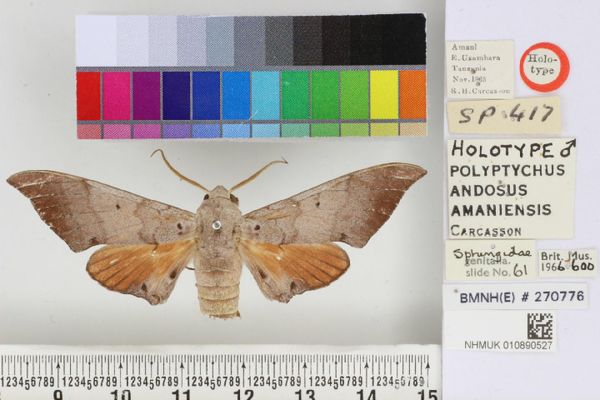
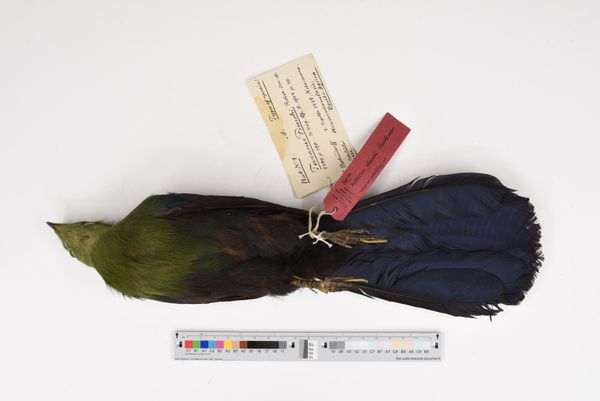
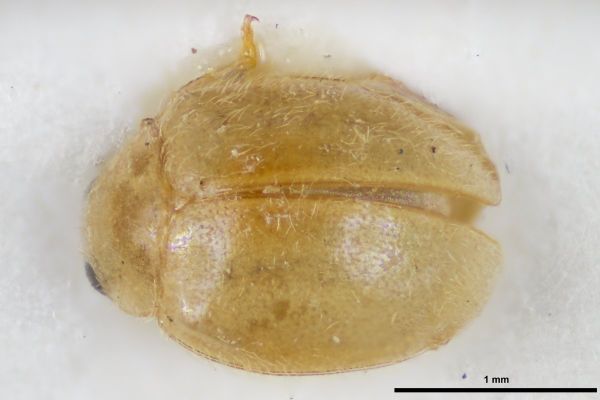
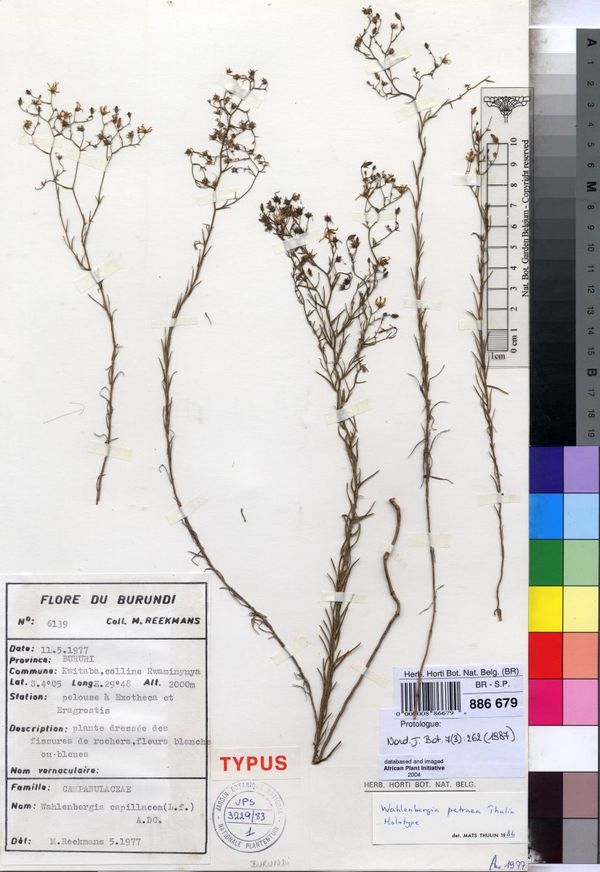
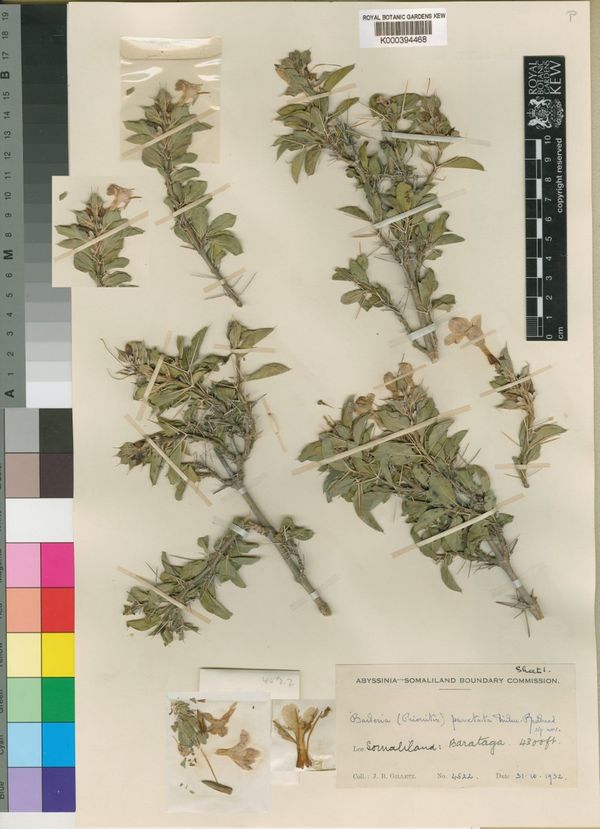
Nearly 9 in 10 are held only in Europe
The rest are held in North America, in Africa, or in more than one place.
Who shares the most (8)
- Belgian Biodiversity Platform · Belgium8,582
- Meise Botanic Garden · Belgium3,188
- Natural History Museum · United Kingdom2,861
- Royal Museum for Central Africa · Belgium2,202
- Royal Botanic Gardens, Kew · United Kingdom1,469
- Species File Group · United States1,034
- MNHN - Museum national d'Histoire naturelle · France794
- SysTax · Germany720
Which countries hold them (6)
- Belgium14,543
- United Kingdom4,353
- United States2,967
- Germany1,540
- Sweden924
- France812
Kenya alone: 87 in 100 of its holotypes are held only in Europe. Most are in Belgium (2,032) and the United Kingdom (1,120).
This counts who has shared the record on GBIF. Museums in East Africa, such as the National Museums of Kenya, hold holotypes that aren’t online yet, so part of this gap is about digitising, not only about where specimens are.
Few holotypes are kept in East Africa, though more since 2010
This counts records whose label gives an East African institution as the holder. It does not count specimens kept there that GBIF does not list.
172 species and subspecies have a holotype held in East Africa. 150 of them have a known year of description and 22 do not, so the chart below shows the first group. Before 2000, 26 of 14,337 (0.2%) were held in East Africa. Since 2010 it is 118 of 3,383 (3.5%). Most are held in Nairobi, at ICIPE, the National Museums of Kenya and the East African Herbarium.
Regional regulations and the Nagoya Protocol are probable reasons for the rise. Kenya's 2006 access and benefit-sharing regulations require holotypes and duplicates of collected genetic resources to be deposited with a Kenyan agency. Tanzania and Uganda require specimens or samples to be kept in the country. The Nagoya Protocol, which sets the international terms for access to genetic resources, leaves the rules on deposit to each country. These records cannot show how much each rule explains, and growing local museums and taxonomic training are likely to have played a part too.
Holotypes kept in East Africa, by when the species was named
Where they are held in East Africa (9)
- ICIPE, Nairobi60
- National Museums of Kenya, Nairobi47
- Makerere University, Kampala27
- East African Herbarium, Nairobi26
- National Herbarium of Tanzania, Arusha9
- University of Hargeisa2
- National Herbarium of Ethiopia, Addis Ababa1
- Addis Ababa University1
- University of Dar es Salaam1
The 2010s were the busiest decade for new species
Species and subspecies counted in the decade they were named, and in the decade their earliest holotype was collected.
New species and new specimens
Specimens and their waits
- Aliteranodon bucinus · killifish · Tanzania134 yearsCollected 1889 · Named 2023GBIF
- Gracililema bettoni · moth · Kenya122 yearsCollected 1900 · Named 2022GBIF
- Isognathotermes phalloides · termite · DR Congo120 yearsCollected 1905 · Named 2025GBIF
- Afrepsilon aterrimum · wasp · Uganda113 yearsCollected 1911 · Named 2024GBIF
- Mallota hircus · hoverfly · DR Congo109 yearsCollected 1915 · Named 2024GBIF
- Ceraphron kidole · wasp · Kenya16 yearsCollected 2007 · Named 2023GBIF
- Kenyaphrynoides vulcani · toad · Kenya8 yearsCollected 2015 · Named 2023GBIF
East Africa’s newest species
Recent holotypes from across the region, named since 2023, with where each one is kept. South Sudan has no holotype on GBIF named since 2022.
Afzelia corallina
Held in East AfricaTree · Tanzania · Tondooni Peninsula
Collected 2024 · Named 2026
Held at: National Herbarium of Tanzania, Arusha
Nothobranchius sylvaticus
Held in East AfricaKillifish · Kenya · Gazi village
Collected 2018 · Named 2025
Held at: National Museums of Kenya, Nairobi
Ceraphron kidole
Wasp · Kenya · Kakamega
Collected 2007 · Named 2023
Held at: Museum Koenig, Bonn
Xanthephialtes iida
Wasp · Uganda · Kibale National Park
Collected 2014 · Named 2026
Held at: Zoological Museum, University of Turku
Enteromius gamo
Held in East AfricaBarb (a fish) · Ethiopia · Lower Hare River
Collected 2023 · Named 2024
Held at: Addis Ababa University
Boaedon subniger
House snake · Somalia · Yuffleh
Collected 2017 · Named 2025
Held at: Leibniz Institute for the Analysis of Biodiversity Change, Hamburg
Arthroleptis nyungwensis
Frog · Rwanda · small stream near Rukuzi
Collected 2014 · Named 2023
Held at: Museum Koenig, Bonn
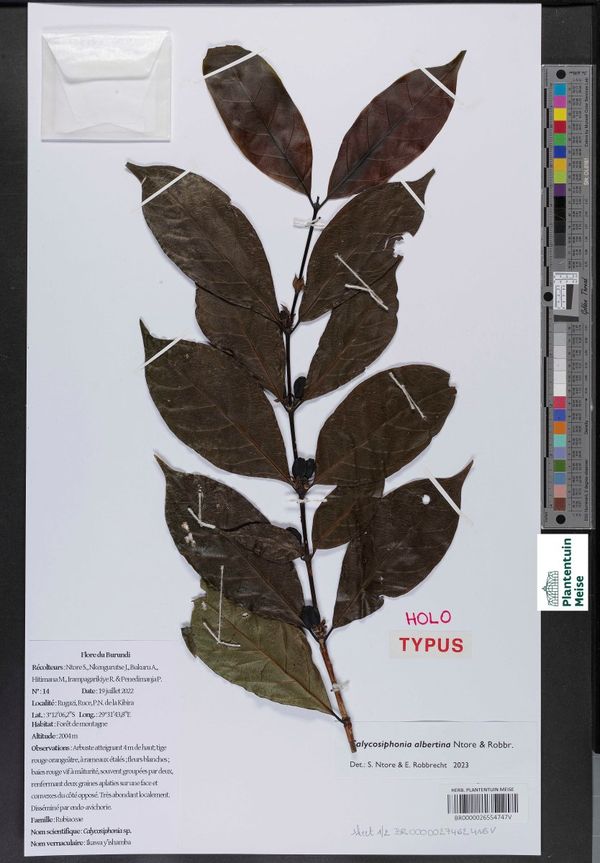
Calycosiphonia albertina
Coffee-family plant · Burundi · P. N. de la Kibira
Collected 2022 · Named 2024
Held at: Meise Botanic Garden, Belgium
Photo: Meise Botanic Garden · CC BY 4.0
See the record on GBIFRhampholeon bombayi
Pygmy chameleon · DR Congo · Kalundu
Collected 2010 · Named 2024
Held at: University of Texas at El Paso
How we counted
From records to species and subspecies
| Step | Count |
|---|---|
| Records marked holotype | 33,086 |
| Specimens, without field sightings | 33,044 |
| Identified to species or subspecies | 31,937 |
| Unique names | 27,464 |
- One count per species or subspecies. Author, year, subgenus and rank words are stripped, and a subspecies counts separately from its species.
- Why. The same specimen often appears twice, once from the museum and once as a paper’s citation. One bee alone has 115 records.
- “Held in” means the publisher’s country. It is the country of the organisation that shared the record on GBIF. Services that only collect citations from papers are left out of it.
- Two different years. The year a species was named comes from the author’s year on the record. The year a specimen was collected is GBIF’s.
- Countries add up to more than the total. A species can come from several countries (225 do), so each country counts it.
The records are GBIF occurrences from MRI’s snapshot gbif-occ-20261014b, release r-gbif-occ-20261014b, read on 14 Oct 2026.
Check the records on GBIF: DR Congo, Tanzania, Kenya, Uganda, Ethiopia, Somalia, Rwanda, Burundi, South Sudan.